Selected Strategic Work
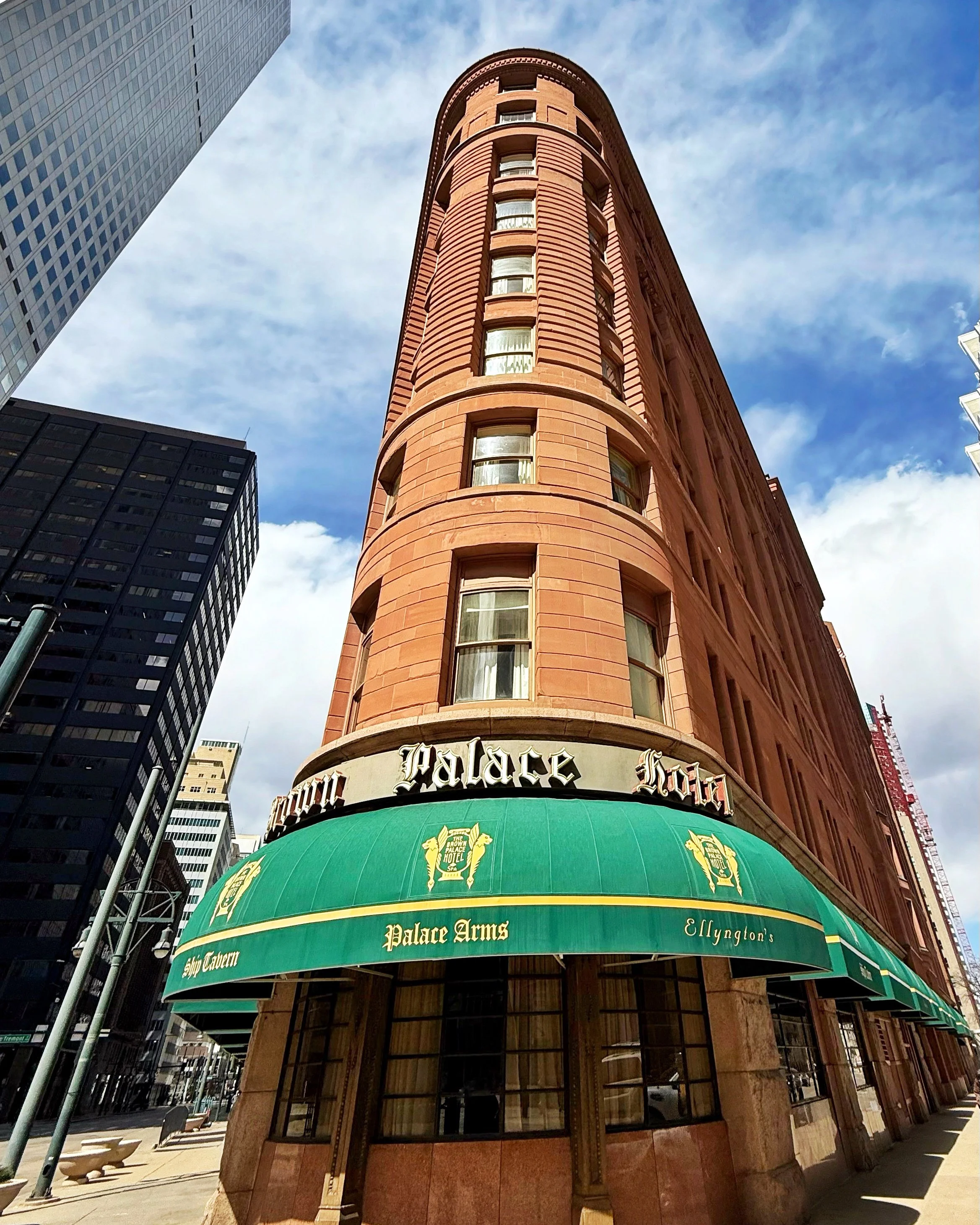
The following initiatives reflect my approach to brand governance, revenue alignment and marketing infrastructure within complex hospitality environments. Each case study demonstrates disciplined positioning, cross-functional execution, and measurable business impact.
CASE STUDY 1
Rebuilding Media Trust & Narrative Momentum
Situation
Following a period of negative local coverage, the property faced reputational pressure during a broader operational transition. Media relationships required stabilization, and public narrative lacked alignment with the hotel’s revitalization efforts.
Objective
Transition the brand narrative from reactive coverage to proactive positioning—rebuilding media relationships, restoring credibility, and leveraging strategic PR to support measurable business performance.
Strategic Action
Reframed storytelling around heritage, experiential programming, and revitalization initiatives.
Proactively rebuilt relationships with local and national outlets.
Aligned press outreach with seasonal programming and revenue-driving activations.
Shifted from reactive press response to strategic media positioning.
Measurable Impact
Generated 902M+ total PR impressions in a single month following strategic narrative repositioning.
Coverage across top-tier national outlets including Yahoo Entertainment (390M+ impressions), AOL (28M+), and Axios Denver (12.8M).
Secured reputational turnaround coverage from Westword — “The Brown Palace Has Made a Spirited Comeback” (953K impressions) — following prior negative features.
Spirits of the Brown generated $32,508 in gross bookings with 726 covers (+656% covers YoY, +983% revenue YoY).
Vanity site traffic increased 37% YoY.
Beyond media reach, the outcome reflected a strategic shift in narrative authority — restoring credibility, rebuilding trust, and converting visibility into measurable business momentum.
CASE STUDY 2
Restoring Marketing Stability During Transition
Situation
Following a management transition at a historic hospitality property, core marketing infrastructure—including email platforms, paid media support, and PR coordination—was disrupted. Documented processes were limited, strategic priorities were undefined, and marketing operations lacked centralized structure.
The function required stabilization while maintaining performance continuity during a period of operational ambiguity.
With limited predefined direction, marketing required the establishment of independent structure, planning cadence, and performance oversight.
The objective was not simply campaign execution—it was restoring operational clarity, reintroducing performance accountability, and aligning marketing initiatives with long-term business priorities.
Strategic Action
Rebuilt marketing planning framework mid-year to reestablish campaign cadence and seasonal alignment.
Reintroduced paid media strategy calibrated to occupancy cycles and demand periods.
Reconstructed performance reporting visibility to provide leadership with measurable insight into website growth and campaign impact.
Prioritized high-leverage initiatives while operating within constrained resources and evolving leadership structure.
Defined forward-looking strategy to transition from reactive execution to disciplined annual planning.
Organizational + Business Impact
Vanity website sessions increased 20-30% YoY despite a four-month infrastructure gap.
September and October outperformed prior year following campaign reactivation.
Reduced reactive execution and improved cross-department communication.
Created visibility into timelines and deliverables.
Enabled proactive campaign planning aligned with revenue priorities.
Positioned marketing as a centralized leadership function rather than a production resource.
CASE STUDY 3
Institutionalizing Brand Governance Across a Multi-Outlet Legacy Property
Situation
Upon joining a 130-year-old historic hotel, marketing operated without centralized brand governance. Departments functioned independently, resulting in inconsistent visuals, trend-driven activations, and messaging misaligned with the property’s heritage and loyal guest base.
There were no documented visual standards, no unified voice, and no structural framework guiding creative decisions across hotel operations, dining outlets, spa, and sales.
Brand expression was fragmented, leaving long-term credibility vulnerable to short-term execution.
Challenge
The challenge was not campaign execution.
It was installing institutional brand discipline within a decentralized operating environment.
Without guardrails, marketing risked becoming reactive, trend-led, and disconnected from the expectations of generational guests who valued the hotel’s historic authority.
The objective was to formalize governance at scale—ensuring every guest-facing touchpoint reflected cohesive positioning, visual integrity, and strategic alignment.
Strategic Approach
1. Formalized Property-Wide Brand Governance
Developed and institutionalized comprehensive brand standards including typography systems, color hierarchy, logo protocols, visual composition rules, and voice principles.
Established clear approval and oversight standards for all guest-facing materials across departments.
2. Audited and Re-Architected High-Visibility Assets
Conducted a full creative audit and prioritized redesign of high-exposure materials.
Rebuilt and standardized 100+ assets across:
6 dining outlets
Hotel operations
Spa
Sales and catering
Experiential programming
This included full menu redesigns (including a 30+ page wine menu), in-room collateral, room keys, signage systems, event branding, email templates, social frameworks, proposal decks, and paid media creative.
3. Modernized Visual Library & Creative Infrastructure
Coordinated and executed 4 full-scale outlet photography refreshes to establish a cohesive, high-resolution image library aligned with positioning.
Installed scalable creative systems including structured intake processes, defined production timelines, reusable campaign templates, and centralized asset management standards.
4. Embedded Brand Discipline Into Operational Workflow
Transitioned marketing from reactive production support to structured governance.
Centralized creative oversight under marketing leadership, ensuring brand compliance across hotel, F&B, spa, and sales initiatives.
Replaced fragmented execution with defined guardrails balancing commercial objectives and long-term brand credibility.
Impact
Instituted centralized brand governance across 6 outlets, hotel operations, spa, and sales functions.
Standardized and aligned high-visibility guest-facing assets under unified brand architecture.
Installed scalable creative infrastructure enabling disciplined seasonal planning and campaign execution.
Reduced decentralized creative decision-making and established marketing as the authority for brand integrity.
Created structural alignment supporting cohesive storytelling across digital, experiential, and on-property channels.
The result was not simply visual cohesion — it was institutional brand stability.
Marketing transitioned from a fragmented support function to a centralized strategic discipline governing long-term credibility and scalable growth.